WOF changes from 1 November 2026: what they mean for your vehicle
Two-yearly WOFs for many newer vehicles, yearly checks for the oldest, new ADAS checks and higher fines. Here is who is affected, and what to do now.
Read article →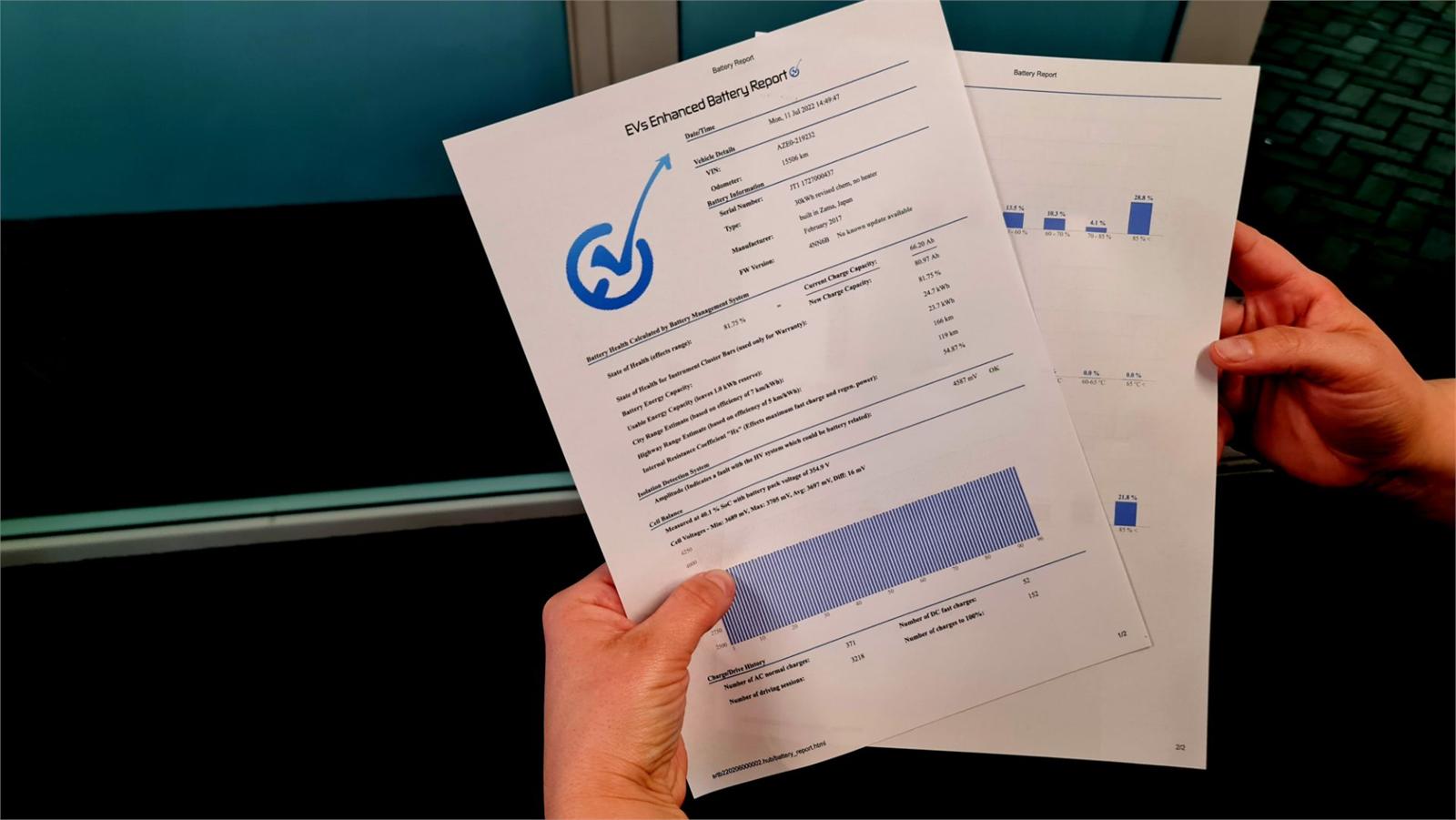
Before buying a used car in New Zealand, check its history and whether money is owed on it, confirm the identification details match the paperwork, inspect and test-drive it carefully, ask for an EV's battery health test, and get an independent pre-purchase inspection, with a thorough road test and a detailed report, before you pay.
A used car can be a great buy, or an expensive lesson. The difference usually comes down to how much checking you did before handing over the money. Here is a sensible order to work through, from the paperwork to the car itself.
Buying from a dealer, who is trading, brings legal protections, including the Consumer Guarantees Act, and dealers must display a Consumer Information Notice on vehicles. A private sale comes with far fewer protections, which is why an independent check matters even more. The Government's consumer protection website explains buyers' rights.
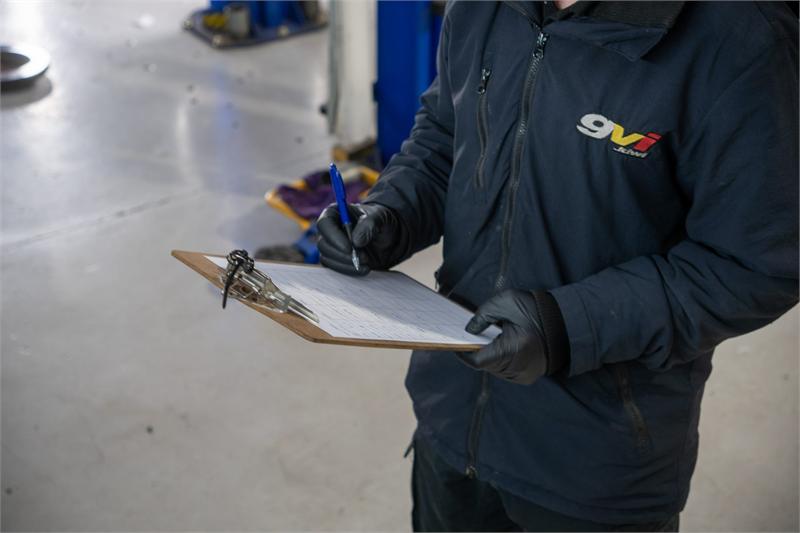
Everything above helps, but it cannot replace an expert looking underneath on a hoist and scanning the car's computers, then taking it for a thorough road test. An independent inspection tells you about hidden accident damage, worn components and stored fault codes, tests the battery if it is an EV, and gives you a detailed report to negotiate with or walk away on. See our pre-purchase inspections.
Use what you found. Problems that matter can justify a lower price, or a seller fixing them. If the car has a long list of issues, or the seller will not allow an inspection, that tells you something too. This article is general information, not legal or financial advice.
Search the Personal Property Securities Register (PPSR) using the vehicle's VIN or details. A security interest on the car can be a serious risk to a buyer, so check before you pay.
No. A WOF is a pass-or-fail safety check on the day. A car can have a current WOF and still have expensive mechanical problems coming.
They are more limited than when buying from a dealer. The Consumer Guarantees Act generally applies to traders, not private sellers, so check before you buy and read the Government's consumer protection guidance.
Yes. An inspection looks deeper than a WOF, covering condition, hidden damage, wear and fault codes, and for an EV, battery health.

Written by the GVI Service Centre team. We are an independent workshop in Penrose, Auckland, servicing petrol, diesel, hybrid and electric vehicles. Facts about NZ rules are checked against NZTA and other official sources at the date shown; always confirm anything important with the source.
Two-yearly WOFs for many newer vehicles, yearly checks for the oldest, new ADAS checks and higher fines. Here is who is affected, and what to do now.
Read article →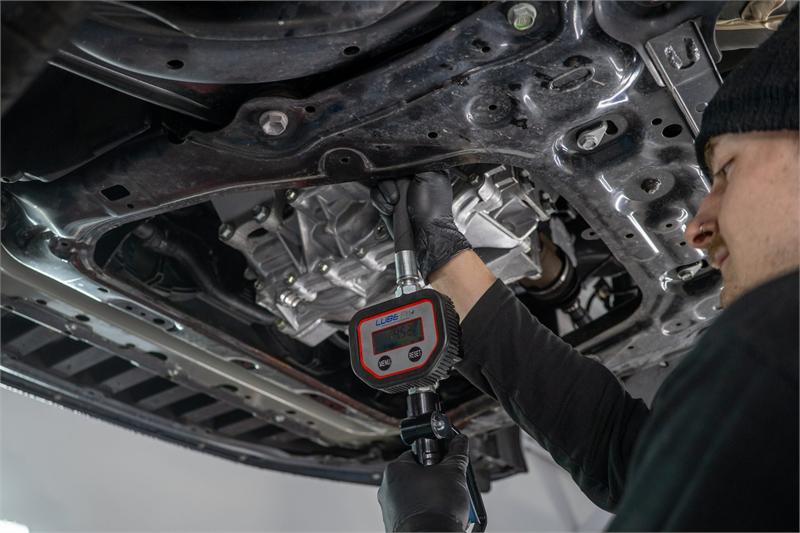
Months or kilometres, petrol, diesel or EV: how to work out the right service interval for your car, and when to service sooner.
Read article →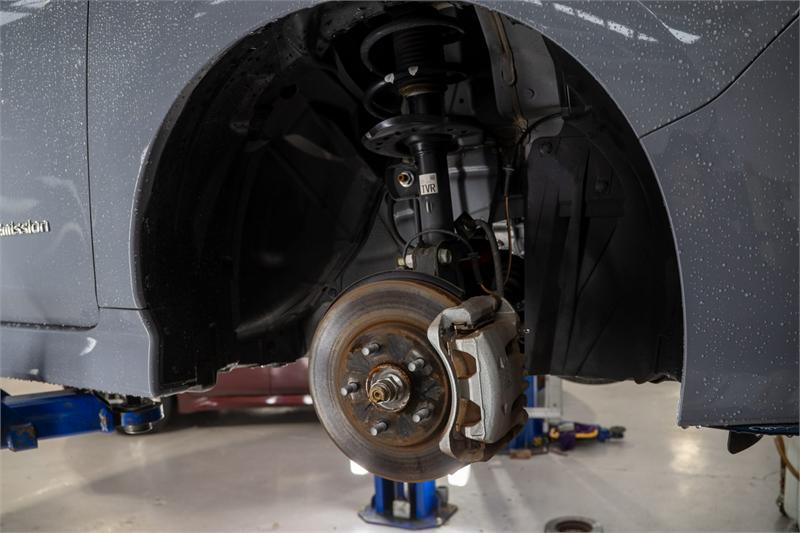
Tyres, brakes, lights, wipers and warning lights: the usual suspects behind a failed WOF, and a ten-minute check to catch them first.
Read article →Tell us what you are buying and when you can bring it in. We will check it over and tell you what we found.
We reply within the hour, Mon–Fri 7:30am–5pm.
Urgent? Call 09 579 6083 or text 021 184 7876.