Do electric cars need servicing?
No oil changes, but electric cars still need brake, coolant, filter, tyre and 12V battery attention. Here is what a proper EV service covers.
Read article →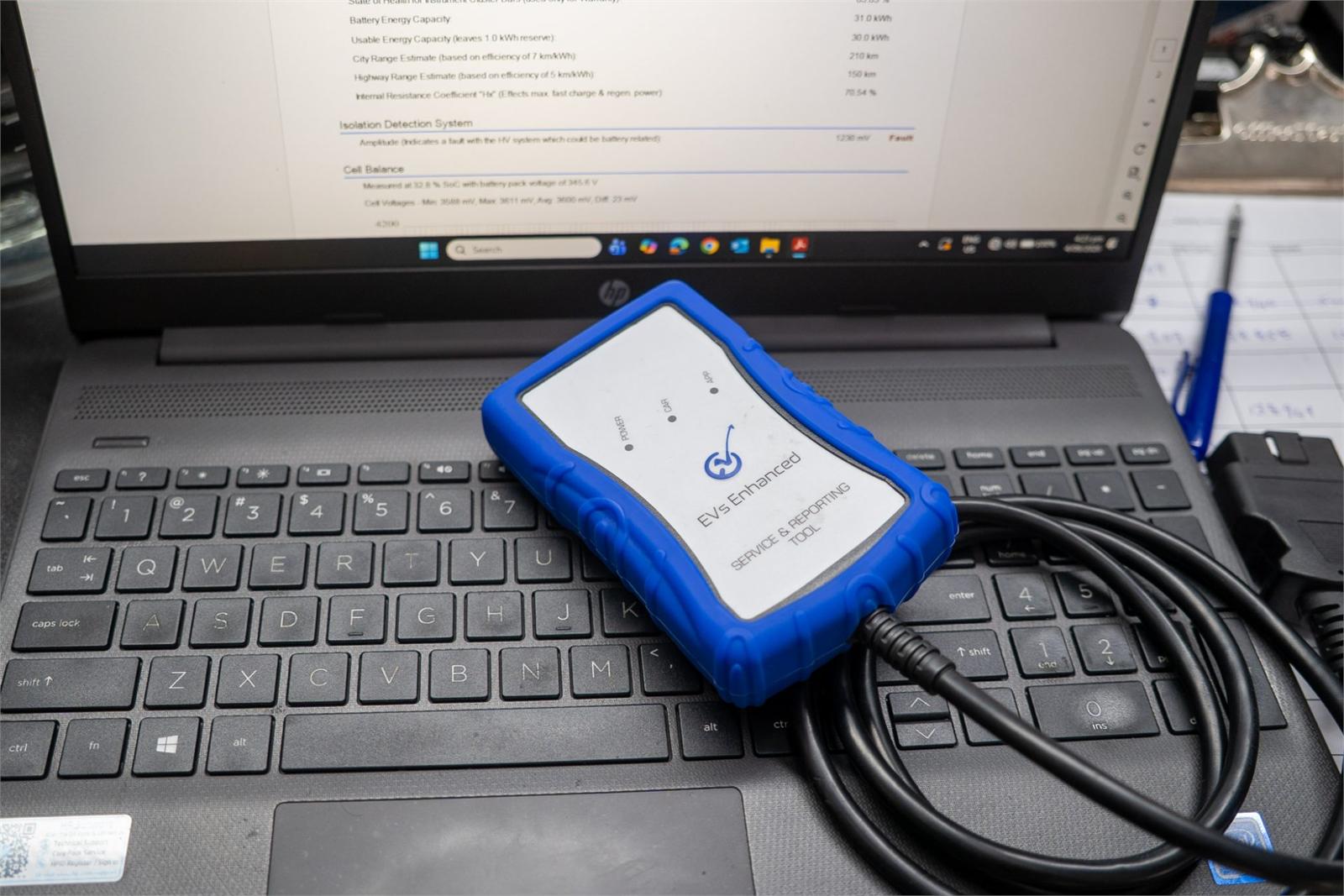
State of health (SOH) is the percentage of its original capacity an EV battery can still hold. A battery at 85% SOH holds 85% of what it held when new, so range is correspondingly lower. It is measured with a dedicated battery test, such as the AVILOO test we use, not read from the dashboard, and it is the key number to know when buying a used EV.
Every rechargeable battery loses capacity as it ages, and an electric car's battery is no exception. How much it has lost is the single biggest factor in a used EV's value and usefulness. That loss is expressed as state of health, or SOH.
SOH compares the battery's current usable capacity with its capacity when new. If a pack held 40 kWh new and can now hold 34 kWh, its SOH is 85%. The car's range falls in roughly the same proportion, all else being equal. SOH is separate from the "state of charge" you see on the dashboard, which is simply how full the battery is right now.
Dashboard range figures and bar gauges are rough, and can be affected by temperature, driving style and software. A proper reading uses a dedicated battery test connected to the car, which reports the pack's capacity. We use the AVILOO battery test, which tests and reports on the battery of all makes and models of EV, and we explain the result. See EV and hybrid servicing.
Many EVs carry a separate battery warranty, often for a number of years or a set distance, and typically covering capacity falling below a stated level. The terms vary between makes and may not carry over to used imports, so check the actual terms for your car and ask the seller for evidence. Do not assume a warranty exists.
It depends on the car's age, distance and design, so there is no single threshold. What matters is that the reading is measured properly, that it makes sense for the car's age and use, and that the remaining range suits you.
No. Dashboard range is an estimate affected by temperature, driving style and the car's software. State of health is measured with a dedicated battery test and reflects the battery's real capacity.
Yes. We do EV battery replacements, upgrades and individual cell replacement, depending on the vehicle. Contact us with the make, model and year and we will tell you what is realistic.
Frequent fast charging can age a battery faster than slower charging, depending on the car and its cooling. Occasional fast charging when you need it is not a concern for most owners.

Written by the GVI Service Centre team. We are an independent workshop in Penrose, Auckland, servicing petrol, diesel, hybrid and electric vehicles. Facts about NZ rules are checked against NZTA and other official sources at the date shown; always confirm anything important with the source.
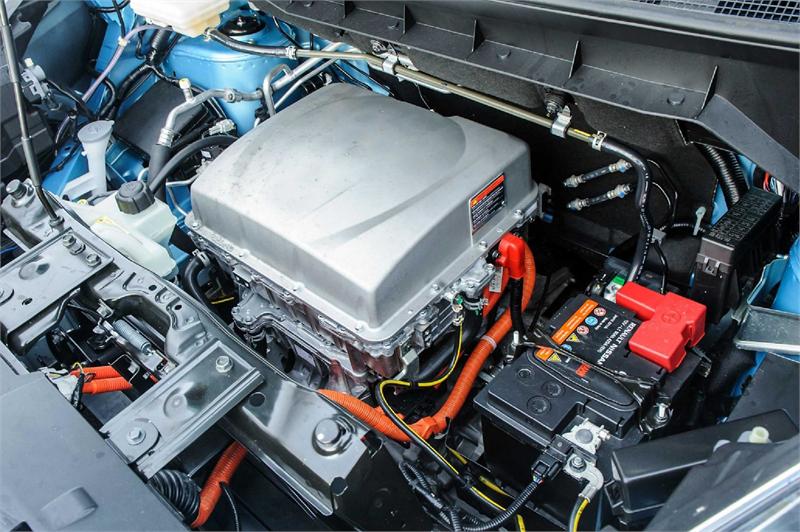
No oil changes, but electric cars still need brake, coolant, filter, tyre and 12V battery attention. Here is what a proper EV service covers.
Read article →
Two-yearly WOFs for many newer vehicles, yearly checks for the oldest, new ADAS checks and higher fines. Here is who is affected, and what to do now.
Read article →
Months or kilometres, petrol, diesel or EV: how to work out the right service interval for your car, and when to service sooner.
Read article →Tell us the make, model and year. We test the battery with AVILOO and explain what it means for your car.
We reply within the hour, Mon–Fri 7:30am–5pm.
Urgent? Call 09 579 6083 or text 021 184 7876.