WOF changes from 1 November 2026: what they mean for your vehicle
Two-yearly WOFs for many newer vehicles, yearly checks for the oldest, new ADAS checks and higher fines. Here is who is affected, and what to do now.
Read article →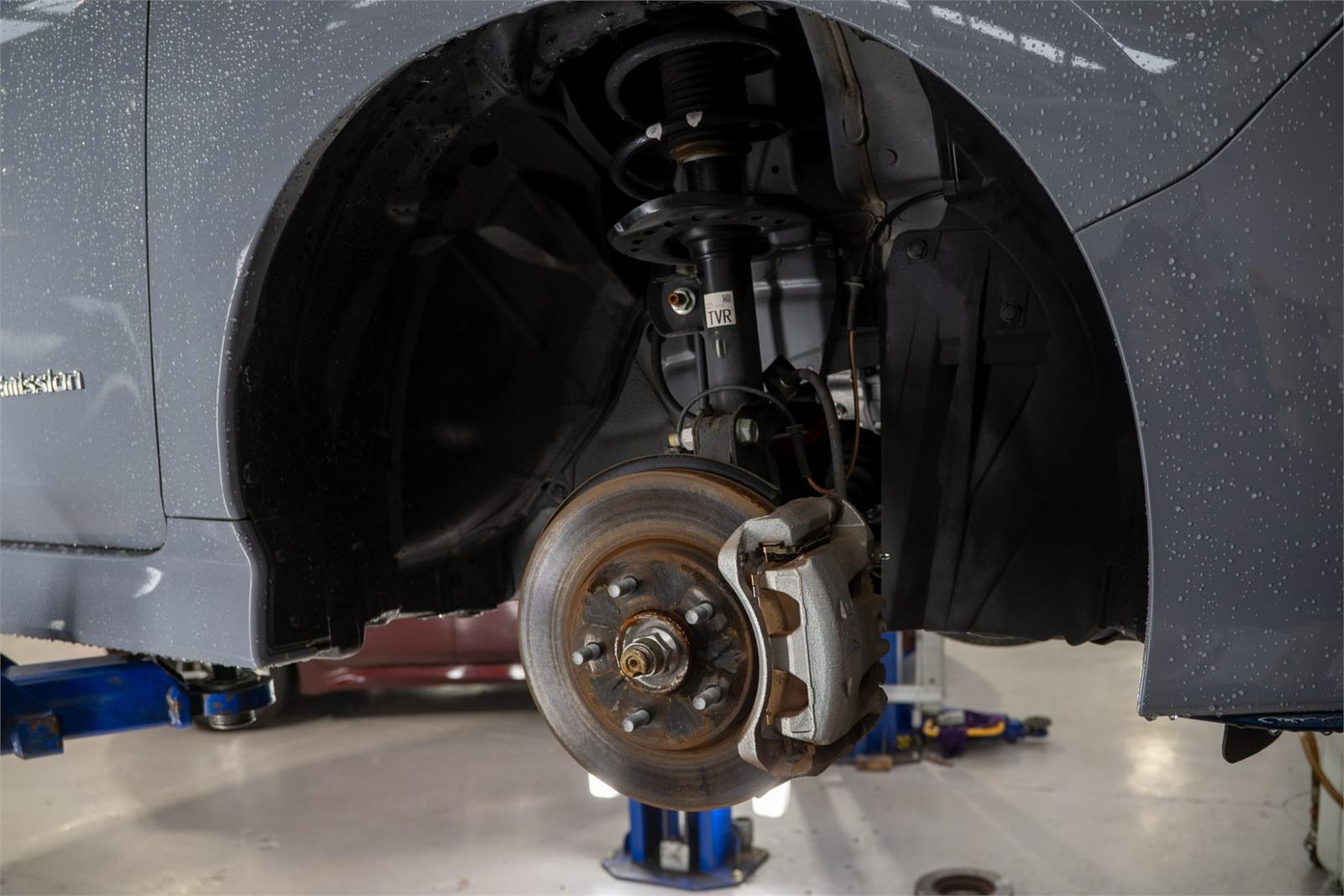
The common WOF failures are tyres below 1.5 mm of tread or with damage, worn brakes, blown bulbs and misaimed lights, worn wipers and washers, windscreen damage in the driver's view, worn suspension and steering parts, seatbelt faults, exhaust leaks, airbag faults, and structural corrosion. Most can be checked before you book.
A WOF fail is a nuisance, but it is rarely a mystery. The inspector works through a standard checklist, and the same handful of items turn up again and again. The Motor Trade Association told 1News in April 2026 that 41% of vehicles fail a WOF inspection, which shows how many of us get caught out. The good news is that most failures are visible from the driver's seat or the footpath.
Tyres are one of the first things inspectors check. The legal minimum tread for a WOF is 1.5 mm in the main grooves, all the way around the tyre. Cuts, bulges, exposed cords and damaged wheels also fail. The tyre-related fine is going up from November 2026, so it pays to look. See tyres and alignment.
Inspectors check brake performance, pad and disc wear, leaks from hoses and cylinders, and the handbrake. Squealing, grinding, vibration, pulling and a soft pedal are all warnings. On electric and hybrid vehicles, seized calipers and corroded discs from light use are a common failure. See brake repairs.
Blown bulbs are the classic cheap failure: headlights, indicators, brake lights and the number plate light. Walk around the car with the lights on and ask someone to press the brake pedal. Cracked lenses and badly aimed headlights can also fail.
Perished wiper blades that smear, washers that do not spray, and chips or cracks in the driver's line of sight can all fail. Wiper blades cost little and take a minute to fit. A chip repaired early is far cheaper than a cracked screen.
Worn ball joints, bushes, tie-rod ends, shock absorbers and leaking dampers are common fails, and they often come with clunks, wander or uneven tyre wear. See suspension and steering repairs.
Seatbelts must latch, retract and show no fraying. Doors have to open and close properly. Corrosion that weakens structure or leaves sharp edges can fail a vehicle, particularly on older cars and imports that have spent time near the coast.
Leaks, excessive noise and visible smoke are checked, along with any fuel leaks. A blowing exhaust is often obvious by sound alone.
Airbags are part of the inspection, so an airbag (SRS) warning light that stays on is a problem, because it means the safety system may not work. From 1 November 2026, NZTA says inspections also check the warning indicators for driver-assistance systems on vehicles that have them, and a malfunction must be fixed to get a WOF. Have warning lights diagnosed before the inspection. See what warning lights mean and the WOF changes.
NZTA says you cannot drive a vehicle that has failed except to get it repaired or re-inspected, and only if it is safe. Return to the same inspection provider within 28 days and there is no re-inspection fee. At GVI we tell you exactly what failed, quote the repair first and can usually fix it on site, often the same day. Read more on our WOF and COF page.
There is no single answer, but tyres, brakes, lights, wipers and suspension wear are among the items inspectors most often fail. Most are cheap to fix if you find them before the inspection.
At least 1.5 mm in the main grooves, around the full circumference of the tyre. Many tyre makers advise replacing earlier, around 3 mm, for better wet-weather grip.
It can. Airbags are part of the inspection, so an airbag warning light that stays on is a problem, and other warning lights can point to faults that fail an inspection. From November 2026, driver-assistance warning indicators are checked too.
Return to the same inspection provider within 28 days and there is no re-inspection fee; after that a new inspection and fee are needed. The vehicle can only be driven to get it repaired or re-inspected, and only if it is safe.

Written by the GVI Service Centre team. We are an independent workshop in Penrose, Auckland, servicing petrol, diesel, hybrid and electric vehicles. Facts about NZ rules are checked against NZTA and other official sources at the date shown; always confirm anything important with the source.
Two-yearly WOFs for many newer vehicles, yearly checks for the oldest, new ADAS checks and higher fines. Here is who is affected, and what to do now.
Read article →
Months or kilometres, petrol, diesel or EV: how to work out the right service interval for your car, and when to service sooner.
Read article →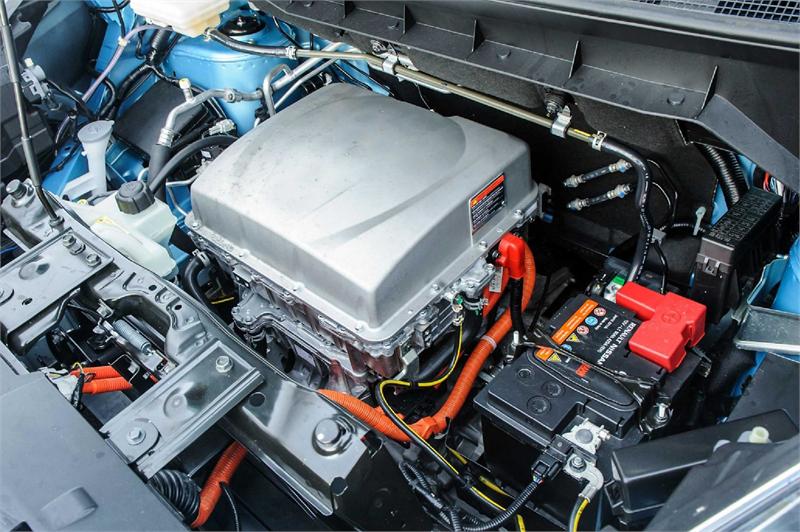
No oil changes, but electric cars still need brake, coolant, filter, tyre and 12V battery attention. Here is what a proper EV service covers.
Read article →We inspect while you wait and can usually fix failures on the spot, so you leave with a pass. Book a time.
We reply within the hour, Mon–Fri 7:30am–5pm.
Urgent? Call 09 579 6083 or text 021 184 7876.