Why cars fail a WOF: the common reasons, and how to avoid them
Tyres, brakes, lights, wipers and warning lights: the usual suspects behind a failed WOF, and a ten-minute check to catch them first.
Read article →
From 1 November 2026, many newer New Zealand vehicles move from yearly to two-yearly WOFs, the oldest vehicles move from six-monthly to yearly, and inspections start checking driver-assistance warning indicators. Your current WOF expiry date stays the same. Find your vehicle's first registration date to see which group you are in.
On 16 April 2026 the Government announced the biggest change to New Zealand's Warrant of Fitness system in many years, and NZTA has now published the detail. The changes start on 1 November 2026, and a second wave follows on 1 November 2027. This article sets out what we understand the changes to be, which vehicles they affect, and what to do about them.
| Vehicle | Now | From | New rule |
|---|---|---|---|
| New vehicles, including motorcycles | First WOF 3 years after first registration | 1 Nov 2026 | First WOF 4 years after first registration |
| Light vehicles 4 to 14 years old, first registered on or after 1 Nov 2019 | Every 12 months | 1 Nov 2026 | Every 2 years |
| Light vehicles 4 to 14 years old, first registered 1 Nov 2013 to 31 Oct 2019 | Every 12 months | 1 Nov 2027 | Every 2 years |
| Light vehicles 14 to 26 years old | Every 12 months | No change | Every 12 months |
| Light vehicles 26 years and older | Every 6 months | 1 Nov 2026 | Every 12 months |
| Motorcycles over 26 years old (first registered before 1 Jan 2000) | Every 6 months | 1 Nov 2026 | Every 12 months |
| Motorcycles 26 years old or under (first registered from 1 Jan 2000) | Every 12 months | No change | Every 12 months |
| Light rental vehicles (CoF A) | Every 6 months | 1 Nov 2026 | Every 12 months |
Source: NZTA. Your vehicle's current expiry date stays the same, and the new frequency applies at your next WOF or CoF A inspection.
NZTA works out how long a WOF is issued for from the date your vehicle was first registered anywhere in the world, in New Zealand or overseas. For an imported vehicle, that means the overseas first-registration date counts, not the day it arrived here. That date is part of your vehicle's registration details, and if you are not sure, ask us when you book.
NZTA says that from 1 November 2026, WOF and CoF A inspections will check the warning indicators for driver-assistance systems (ADAS) such as lane keep and automatic emergency braking. A malfunctioning ADAS has to be fixed to get a WOF, and this applies to all light vehicles that have these systems. If one of those lights is on, get the cause diagnosed before the inspection. See auto electrical and diagnostics.
Penalties are also going up, according to NZTA:
A two-year gap between inspections means a vehicle can go a long time without anyone looking at its brakes, tyres, lights and suspension. The Motor Trade Association, quoted by 1News, said 41% of vehicles fail a WOF, and Government modelling cited in the same report estimated a small rise in defect-related crashes. Wear does not wait for the inspection date.
An annual service is a sensible way to fill the gap, and many customers pair a service with a WOF in the same visit.
Mixed-age fleets will end up with different inspection cycles for different vehicles. Make a list of each vehicle's first registration date and WOF expiry, and plan servicing around them. We can help with that: see fleet servicing.
The first changes start on 1 November 2026, including two-yearly WOFs for light vehicles first registered on or after 1 November 2019. A second group, vehicles first registered between 1 November 2013 and 31 October 2019, moves to two-yearly WOFs on 1 November 2027.
No. A WOF you already hold stays valid until its expiry date. The new interval applies from your next inspection once the change takes effect for your vehicle's group.
Vehicles first registered between 1 November 2013 and 31 October 2019 stay on annual WOFs until 1 November 2027, then move to two-yearly. Confirm your vehicle's first registration date and check NZTA for the exact schedule.
Yes. The changes apply to light vehicles by age and first registration date, whatever powers them. Electric and hybrid vehicles benefit from regular brake servicing in particular, because the friction brakes can corrode through light use.
Yes. A WOF is a safety check on the day, not maintenance. Servicing keeps the vehicle reliable and catches wear before it becomes a failure, so the gap between WOFs is when servicing matters most.
NZTA says WOF length is worked out from the date a vehicle was first registered anywhere in the world, so for an imported vehicle the overseas date counts, not the date it was first registered in New Zealand.

Written by the GVI Service Centre team. We are an independent workshop in Penrose, Auckland, servicing petrol, diesel, hybrid and electric vehicles. Facts about NZ rules are checked against NZTA and other official sources at the date shown; always confirm anything important with the source.
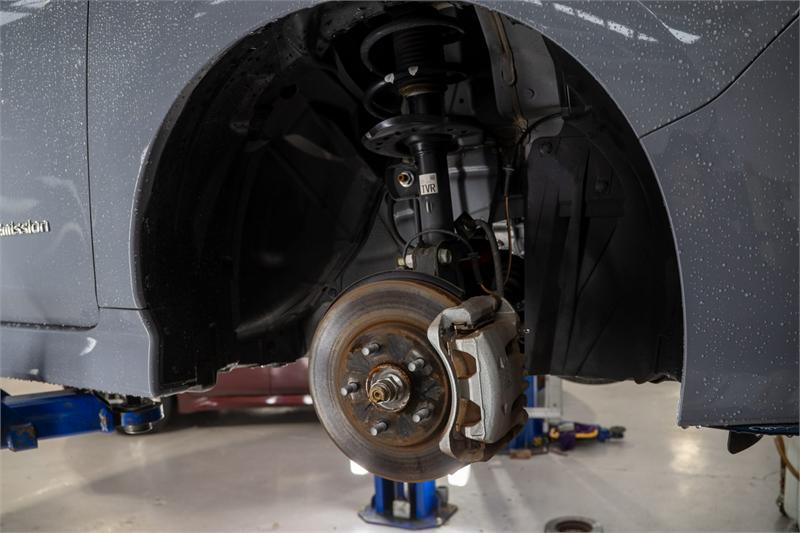
Tyres, brakes, lights, wipers and warning lights: the usual suspects behind a failed WOF, and a ten-minute check to catch them first.
Read article →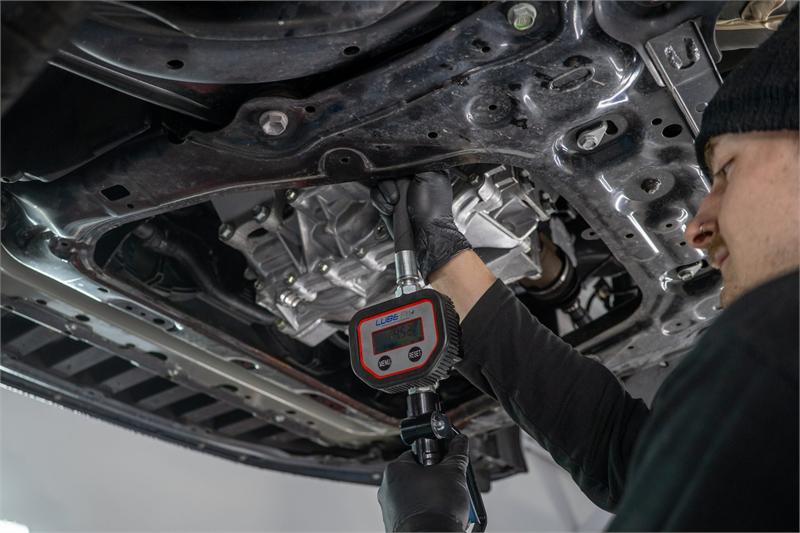
Months or kilometres, petrol, diesel or EV: how to work out the right service interval for your car, and when to service sooner.
Read article →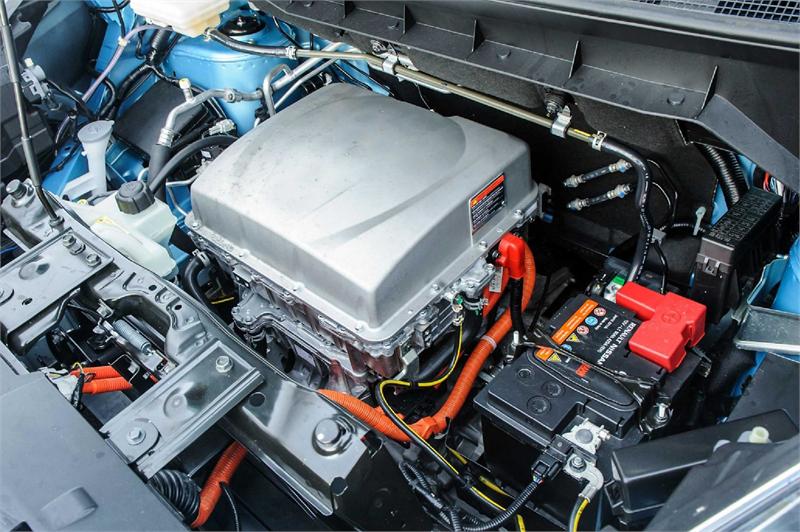
No oil changes, but electric cars still need brake, coolant, filter, tyre and 12V battery attention. Here is what a proper EV service covers.
Read article →Whatever group your vehicle is in, we can inspect it while you wait and fix what fails. Book a time and we will have a hoist ready.
We reply within the hour, Mon–Fri 7:30am–5pm.
Urgent? Call 09 579 6083 or text 021 184 7876.